
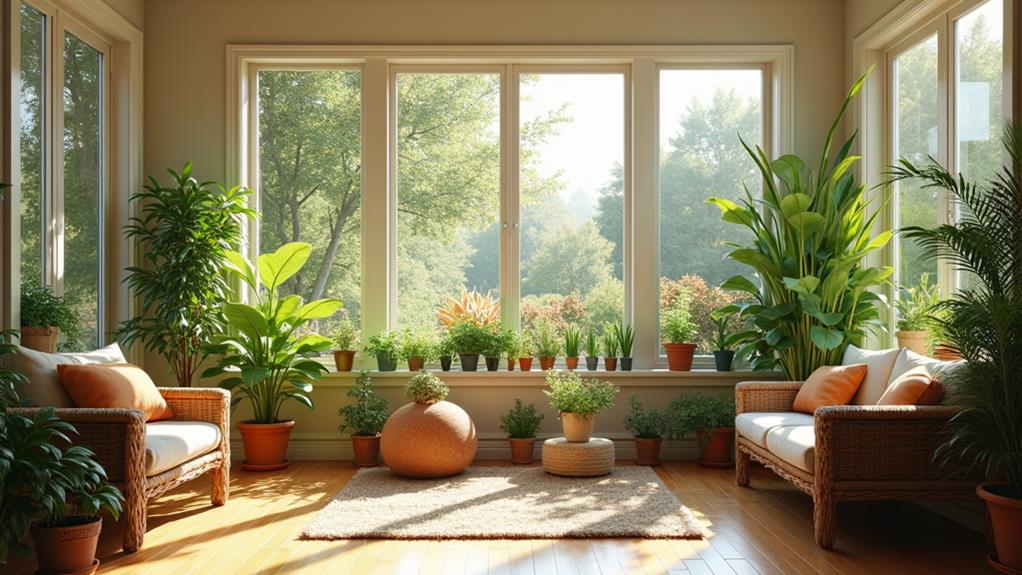
Sunrooms are a sought-after home enhancement, offering benefits like expanded living space, increased natural light, and a closer connection to the outdoors. Key FAQs include the choice between custom or kit sunroom, with custom options providing tailored design and durability, while kits are more cost-effective but may have installation challenges. When selecting a contractor, research, experience, and knowledge of local building codes are paramount. Popular roof types include gable and studio, with material choices affecting durability and energy efficiency. Cost considerations encompass size, materials, and local permits. To explore detailed insights into these aspects and more, continue below.
Benefits of Building a Sunroom

Expanding living space, building a sunroom offers a multitude of benefits that enhance both the functionality and value of a home.
A sunroom addition provides a comfortable area for relaxation and entertainment, seamlessly integrating indoor and outdoor environments. This extra living space is versatile, allowing homeowners to utilize it as a reading nook, play area, or social gathering space, thereby catering to various lifestyle needs.
One of the primary benefits of building a sunroom is the considerable increase in natural light, which can improve overall mood and ambiance within the home. Enhanced natural light contributes positively to the quality of life, creating a serene and inviting environment.
Additionally, sunrooms allow homeowners to enjoy the beauty of the outdoors without the nuisance of pests and debris, offering a tranquil space for year-round enjoyment.
From an investment perspective, sunrooms are a cost-effective enhancement that can greatly boost property value. This makes them an attractive option for homeowners looking to improve their living space while also increasing the marketability of their property.
To conclude, a sunroom addition not only expands living space but also provides numerous benefits that enhance both the quality of life and the overall value of a home.
Custom Vs. Kit Sunrooms
When considering the addition of a sunroom, homeowners are often faced with the decision between custom-built options and pre-fabricated kits. Custom sunrooms are tailored to maximize space and address specific needs, offering a level of personalization and unique features that are often absent in a sunroom kit. This bespoke approach allows for a careful selection of materials used, thereby enhancing both the aesthetic appeal and functionality of the sunroom.
Conversely, sunroom kits, while potentially more cost-effective initially, may present unforeseen complexities during installation due to challenges with fit and compatibility. These kits often lack the ability to be customized, limiting the homeowner’s ability to tailor the space to their specific requirements.
Additionally, the need for additional tools, permits, and adjustments can lead to higher overall expenses, offsetting the initial savings.
Professional installation of custom sunrooms guarantees compliance with local building codes, a critical factor that may not be assured with kit installations. The quality of their work is often superior, providing homeowners with peace of mind and a long-lasting investment.
Ultimately, while sunroom kits offer a simpler, less expensive option upfront, the benefits of custom sunrooms often outweigh the initial cost savings.
Choosing a Sunroom Contractor
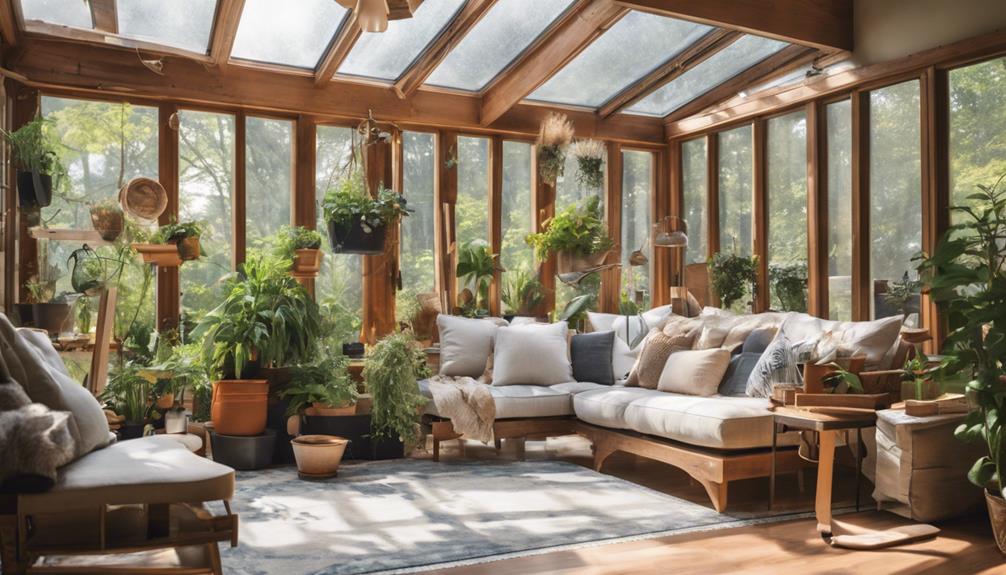
Selecting the right sunroom contractor is a vital step in guaranteeing the successful addition of this versatile space to your home.
To begin with, researching reviews and asking for references from previous clients is essential in identifying a reputable sunroom contractor. Evaluating their past work and portfolios provides insight into their professionalism and reliability.
Additionally, confirming that the contractor is well-versed in local building code requirements is important to avoid compliance issues that could delay or complicate the installation process.
Experience with local regulations and environmental considerations is another significant factor. For instance, a contractor familiar with the specific needs of regions like Volusia, Seminole, and Orange Counties, such as Dulando, can offer invaluable expertise.
Confirming that the contractor provides all-encompassing services, including design assistance and project management, guarantees a smooth and cohesive installation process. This includes custom design elements tailored to your vision and practical needs.
Lastly, selecting screening options is a part of the contractor’s service that should not be overlooked. A professional and experienced sunroom contractor will guide you through selecting screening materials and styles that complement your home’s architecture while meeting your functional requirements.
Types of Sunroom Roofs
Considering various types of sunroom roofs is essential for achieving the desired blend of functionality and aesthetic appeal in your new addition. Among the most popular options are gable roofs, which are renowned for their traditional aesthetic and the benefit of high ceilings that allow ample natural light to flood the space.
This type of roof is particularly favored for its classic charm and spacious feel.
For those seeking a more modern design, studio roofs offer a sleek, single-sloped structure. This contemporary option is ideal for integrating a sunroom into homes with modern architectural styles.
The choice of roofing material plays a vital role in the durability and energy efficiency of the sunroom. Aluminum roofs, for example, are highly durable and weather-resistant, making them an excellent choice for coastal areas prone to storms.
They offer long-term protection and require minimal maintenance.
On the other hand, shingle roofs can be matched to your existing home roofing, providing a seamless integration that enhances the overall aesthetic unity of your property.
Shingle roofs also contribute to the sunroom’s energy efficiency, especially when paired with insulated materials that help regulate indoor temperatures, ensuring comfort year-round.
Factors Influencing Sunroom Costs
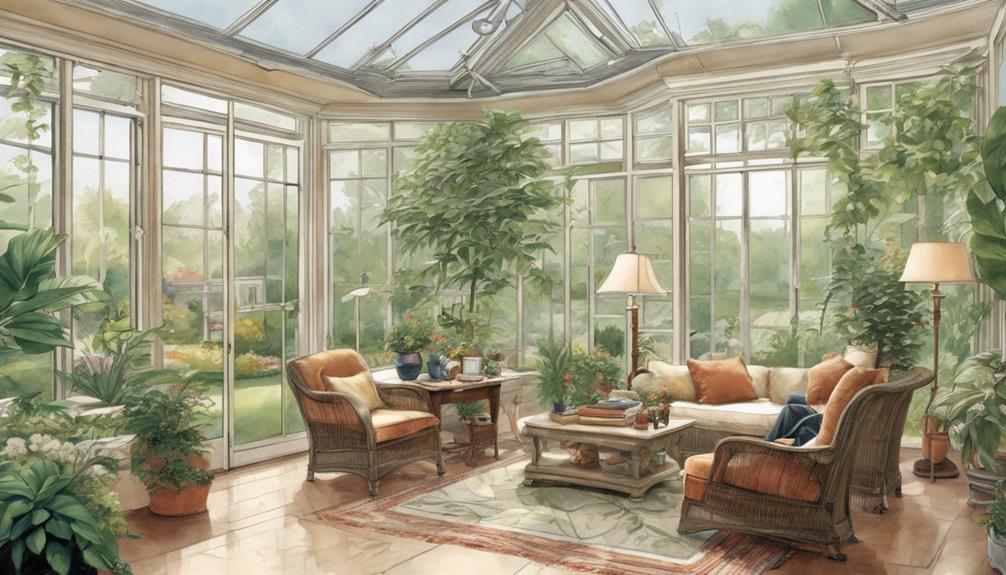
The cost of a sunroom project is influenced by a multitude of factors, each contributing to the final budget in considerable ways. A primary consideration is the size of the sunroom, as larger spaces demand more materials and labor, thereby increasing the overall expense.
Additionally, the choice of materials can greatly impact costs; while high-quality materials boost durability, they also lead to higher initial investments.
Another vital factor is how the sunroom connects to the existing home. More complex designs may necessitate additional framing and structural support, complicating the building process and escalating costs.
Local legal requirements, such as permits and inspections, must also be factored in, as compliance with building codes is non-negotiable.
Sunroom features and amenities further influence the budget. Opting for enhanced glass options, electrical installations, or other upgrades can markedly add to the final cost.
- Size of the sunroom
- Choice of materials
- Complexity of connection to existing home
- Local legal requirements
Understanding these factors is essential when planning to add a sunroom, ensuring that the project is both financially feasible and compliant with all regulatory standards.
Enclosing Existing Spaces
Enclosing existing spaces, such as porches or patios, offers homeowners an efficient way to expand their living area while preserving the charm of outdoor views. This approach allows for a seamless shift between indoor and outdoor spaces, maximizing both comfort and aesthetic appeal.
Custom designs play a pivotal role in these projects, accommodating specific needs and preferences to guarantee the enclosed space complements the existing structure. Whether opting for complete sunrooms or screen rooms, homeowners have the flexibility to choose the level of exposure to the elements that best suits their lifestyle.
Energy efficiency is another significant benefit when enclosing existing spaces. By integrating energy-efficient glass and proper insulation, these enclosures can help reduce heating and cooling costs, contributing to a more sustainable living environment.
Moreover, manufacturers often provide tailored solutions that not only enhance the functionality and beauty of the space but also comply with local building codes. This guarantees that the project is both aesthetically pleasing and structurally sound.
Sunroom Design Options
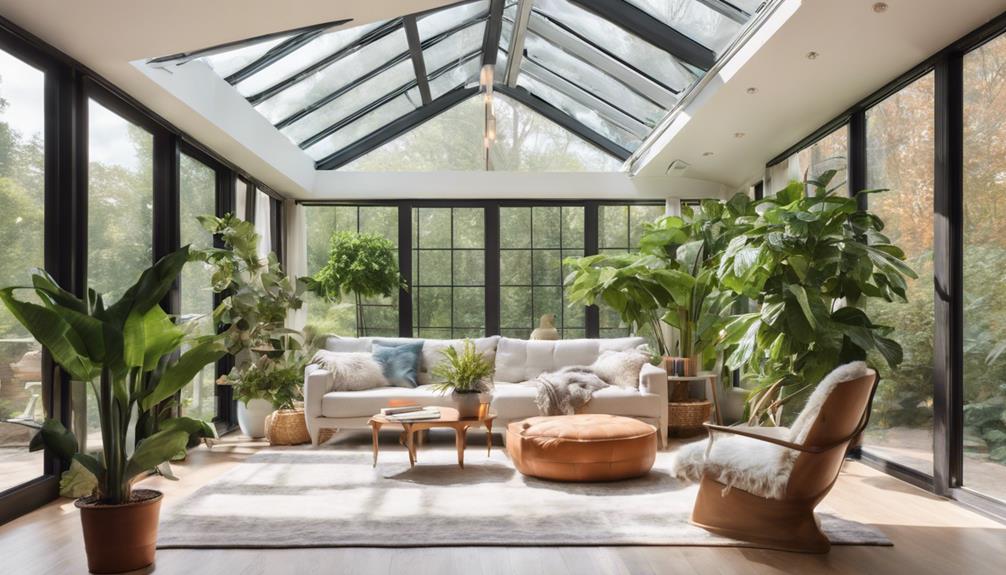
When exploring sunroom design options, homeowners will find a variety of styles tailored to diverse aesthetic preferences and functional needs. From solariums to three-season rooms and lean-to sunrooms, the choices are numerous.
Custom sunrooms offer the flexibility to incorporate specific design features such as unique types of sunroom windows and energy-efficient glass, which can greatly reduce heating and cooling costs.
Key design elements to take into account include:
- Roof System: Options like A-Frame roofs, known for their classic triangular shape, enhance architectural appeal, while studio roofs provide a modern, sleek look.
- Material Choices: Southern Yellow Pine is a popular choice in sunroom kits for its durability and ability to be customized with various color finishes.
- Functional Features: Including electrical outlets, ventilation systems, and air conditioning guarantees the space remains comfortable year-round.
- Window Styles: Different types of sunroom windows, such as casement or sliding windows, can be selected to complement the overall design and functionality.
Year-Round Usability
How can homeowners guarantee their sunrooms are comfortable and functional throughout all seasons? The key to achieving this lies in the thoughtful integration of several critical features designed specifically for year-round sunrooms.
First and foremost, insulated glass and energy-efficient frames are essential elements. These components work synergistically to maintain comfortable temperatures by minimizing heat loss in winter and reducing heat gain in summer.
Additionally, separate heating and cooling systems can be indispensable. Traditional home HVAC systems might not suffice for sunroom structures due to their unique design and exposure. By incorporating specialized climate control systems, homeowners can ascertain that the sunroom remains comfortable, regardless of external weather conditions.
An insulated foundation is another pivotal aspect of a year-round sunroom. It aids in maintaining consistent indoor temperature control while providing structural integrity. This foundational insulation prevents heat from escaping through the floor, thereby enhancing overall energy efficiency.
Moreover, integrating custom shading systems can greatly enhance comfort by regulating indoor temperatures and managing sunlight exposure. These shading solutions, combined with the natural light captured by the sunroom, can help reduce energy costs while creating a pleasant environment throughout the year.
Energy Efficiency Features
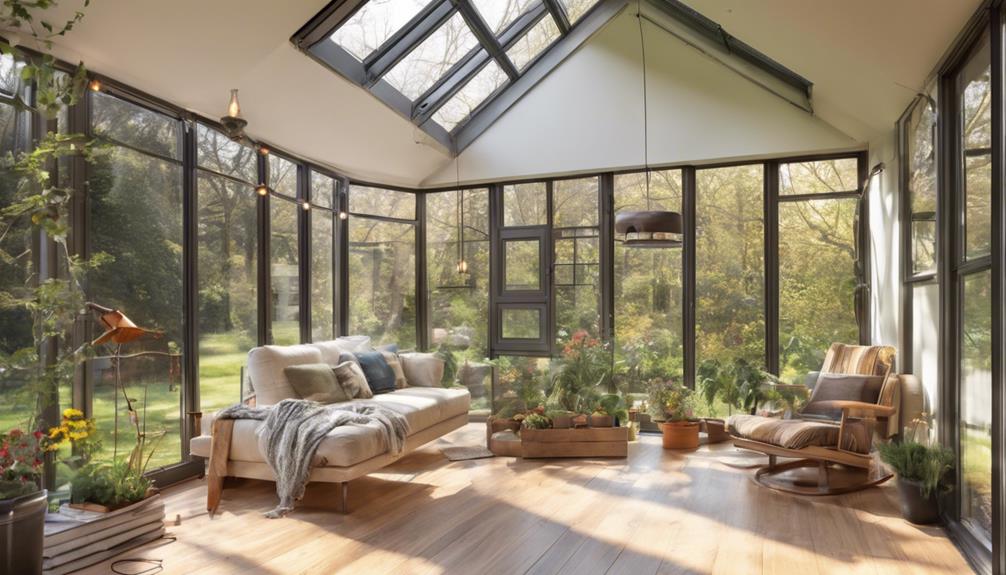
Energy efficiency is a cornerstone in the design of modern sunrooms, aiming to create a space that is both environmentally responsible and cost-effective. By integrating advanced materials and technologies, homeowners can enjoy a comfortable year-round retreat while minimizing energy expenses.
One of the most notable advancements is the use of energy-efficient glass options, such as insulated glass. These specialized glass panes are designed to reduce heating and cooling costs by enhancing thermal performance.
Additionally, Split Silver Titanium glass technology offers superior temperature regulation by reflecting sunlight during summer and absorbing it in winter. This guarantees a consistent and comfortable indoor climate throughout the year.
Moreover, all-season sunrooms are constructed with energy-efficient frames and insulated glass, further boosting their thermal efficiency. Custom shading systems can also be added to manage sunlight exposure and regulate indoor temperature effectively.
Key features contributing to energy efficiency include:
- Insulated glass: Minimizes heat transfer and maintains indoor temperatures.
- Split Silver Titanium glass: Reflects and absorbs sunlight for ideal temperature regulation.
- Energy-efficient frames: Enhance thermal performance and durability.
- Custom shading systems: Control sunlight and temperature, reducing energy use.
These innovations collectively guarantee that sunrooms are not only comfortable but also energy-efficient, greatly lowering energy expenses.
Financing and Consultation Process
Maneuvering the financing and consultation process for a sunroom project is a critical step in guaranteeing a successful and satisfying home addition. Financing options are available to help ease the financial planning for such an investment, accepting various payment methods like cash, check, Visa, MasterCard, American Express, and Discover.
Typically, the payment structure involves dividing the total cost into three parts: one-third at contract signing, one-third when the materials are ordered, and the final third upon project completion.
In-home consultations, which usually last up to two hours, are essential for tailoring the sunroom to the customer’s needs. During these sessions, design consultants assess the space and discuss project details, providing personalized recommendations.
Making sure all decision-makers are present during the consultation is encouraged for thorough planning and accurate pricing. Early discussions of project details during these consultations can notably enhance customer satisfaction by leading to precise estimates and a clearer understanding of the project scope.
This thorough approach guarantees that every aspect of the sunroom addition is carefully considered, from the initial financial arrangements to the final design and installation.
Conclusion
In summary, the construction and utilization of sunrooms provide substantial benefits, including increased property value and enhanced living space. For instance, a family in Ohio opted for a custom-built sunroom with energy-efficient features, which not only augmented their home’s aesthetic appeal but also greatly reduced their energy costs. By carefully considering factors such as sunroom type, contractor selection, and design options, homeowners can achieve a versatile and valuable addition to their residence, ensuring year-round usability and comfort.
