

For a quality home addition, prioritize high-quality materials for durability and skilled craftsmanship for safety and precision. Maneuvering local building codes and permits guarantees compliance, while thoughtful design enhances aesthetic appeal and functionality. Incorporate features like natural light and storage solutions to tailor the space to your lifestyle. Choices like Colorbeam technology bring added durability and environmental benefits. With these elements, you’ll achieve a perfect blend of beauty and functionality. There’s even more insight to discover ahead.
Importance of Quality Materials
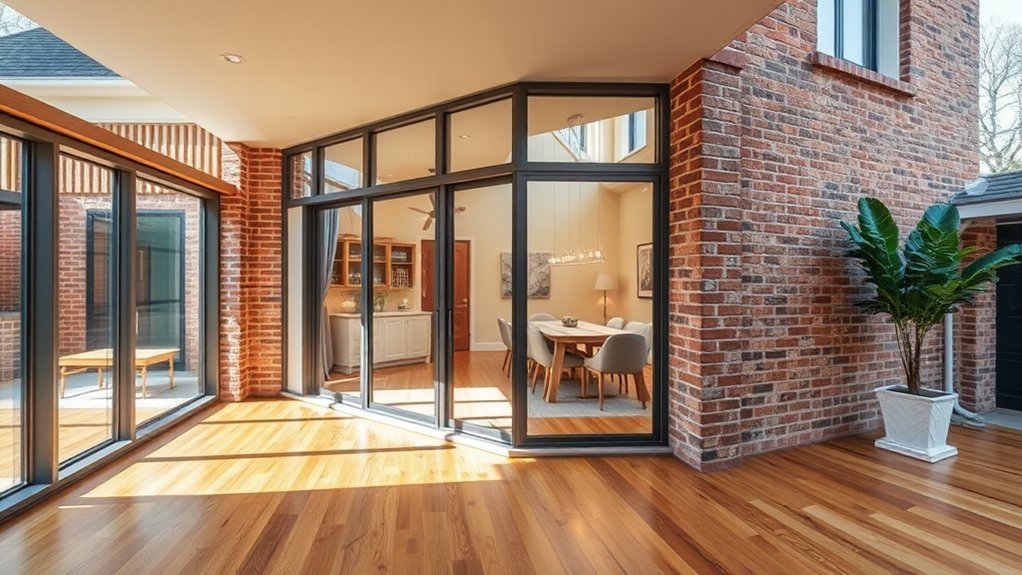
In home additions, quality materials are the backbone of longevity and value. When you choose high-quality materials, you guarantee your home addition is durable, standing strong against wear and tear. This protects your investment and reduces repair costs. Quality materials enhance energy efficiency with superior insulation and weather resistance, cutting down on utility bills. They also boost the aesthetic appeal, elevating property value and making your home more attractive to potential buyers. With fewer maintenance requirements, you can enjoy your new space without constant repairs, translating to long-term savings. Investing in premium materials during the construction process can yield a high return on investment, with some renovations offering up to an 80% recoup of costs through increased resale value. Utilizing Colorbeam Technology in your home addition can further improve durability and energy efficiency, making it an ideal choice for coastal climates.
Role of Skilled Craftsmanship
While quality materials form the backbone of any home addition, skilled craftsmanship is the heart that brings it to life.
When you hire experienced professionals, they guarantee your home additions meet local building codes, safeguarding structural integrity. This level of quality craftsmanship prevents costly repairs and keeps your family safe.
Skilled craftsmen also use high-grade materials, enhancing durability and providing a better return on investment. They pay attention to details, guaranteeing improved functionality, proper insulation, and ventilation, which translate to energy savings and increased comfort.
Plus, they offer a warranty, giving you peace of mind against potential issues. Additionally, the aesthetic appeal of your home is elevated, as craftsmen seamlessly integrate the addition with the existing design, maintaining property value. A well-designed sunroom, like those made with Colorbeam™ panels, can withstand harsh environmental conditions, ensuring longevity and year-round comfort.
Navigating Local Building Codes and Permits
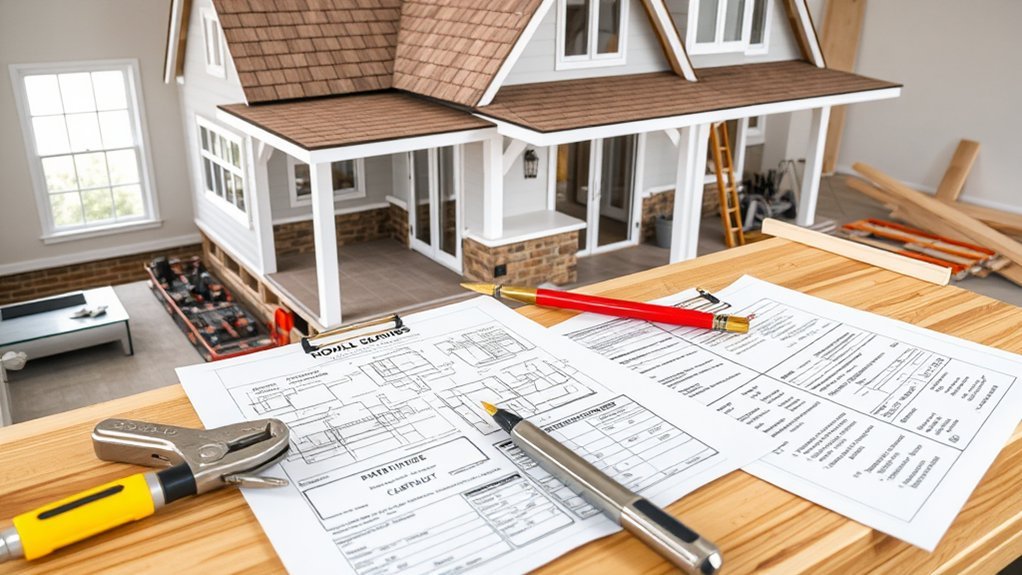
Quality craftsmanship breathes life into your home additions, but understanding and adhering to local building codes and permits guarantees that these creations stand strong and legal.
Start by researching local building codes, as these regulations can influence your design and construction process. Obtaining permits is vital, involving an approval process that might require tax bills and property deeds. Utilizing hurricane-resistant ColorBeam™ materials ensures added durability against elements, particularly in areas prone to extreme weather conditions like Pensacola. Compliance with zoning laws guarantees your addition doesn’t encroach on property lines or violate setback rules, preventing expensive adjustments. Engaging neighbors for community backing can smooth the permit process, as some areas require signatures of support.
- Research local building codes to understand design implications.
- Secure necessary permits for a smooth construction process.
- Guarantee compliance to avoid issues with property lines and setbacks.
- Engage the community for essential backing.
Enhancing Aesthetic Appeal and Functionality
When considering a home addition, seamlessly blending the new structure with your existing home enhances its aesthetic appeal and guarantees architectural harmony. By collaborating with a design professional, you can ascertain that the addition not only looks great but also improves functionality. Focus on incorporating natural light through large windows or skylights, creating inviting living spaces. Quality materials and craftsmanship are key; they enhance both visual appeal and durability, increasing your home’s value. Think strategically about usability—integrate functional elements like built-in storage or open-concept designs to make the space practical for everyday living. Tailoring the addition to your specific lifestyle needs will maximize both the aesthetic appeal and functionality, making your home a more enjoyable place to live. Consider the advantages of patio + pergola, which combine aesthetic appeal with functional benefits, to further enhance your outdoor space.
Frequently Asked Questions
What Home Addition Adds the Most Value?
You should consider a kitchen expansion or a second story for maximum value. These additions boost living space and functionality. A basement finishing or garage conversion also adds value. Prioritize energy efficiency and curb appeal for better returns.
What Are the Mistakes to Avoid With an Addition?
Avoid design errors by consulting experts. Prevent budget miscalculations with a contingency fund. Don’t overlook permit issues or zoning regulations. Choose reliable contractors and materials to avoid structural concerns and aesthetic mismatches. Plan for utility upgrades and timeline delays.
How Much Would a 20X20 Addition Cost?
Considering cost factors, a 20×20 addition typically ranges from $72,000 to $150,000. Design considerations, contractor selection, and material choices matter. Evaluate zoning regulations, financing options, project timeline, insulation requirements, aesthetic integration, and permitting process for success.
What Is the Most Expensive Part of a Home Addition?
You’re wondering about the most expensive part of a home addition. Typically, labor expenses take the lead in the cost breakdown, influenced by design complexity and material choices. Foundation work and HVAC installations also contribute considerably, alongside permit fees.
Conclusion
When you’re planning a home addition, think of it like assembling a Swiss watch—precision is everything. By choosing high-quality materials like Colorbeam Aluminum and skilled craftsmanship, you’re investing in a space that’ll last longer than bell-bottom jeans. Don’t forget to navigate local building codes and permits to avoid any hiccups. With attention to detail, your new space will not only be functional but also a stunning reflection of your personal style, elevating your home for years to come.
